If you surf and you are buying property in Costa Rica, three places on the Guanacaste coast are worth your time in 2026: Playa Avellanas, Playa Grande, and Marbella. All three put you within minutes of serious waves, and they are very different places to live — one gated and full of amenities, one protected and low-density, one still wide open.
I am Tiago Leao, a real estate agent with KRAIN in Guanacaste. I have surfed for the past 15 years of my life and grew up surfing every one of these beaches, so when someone tells me what they ride and how often they want to be in the water, I can usually name the town before we talk about houses. If you came here from my video, this is the full guide I promised — and if you want help with your own search, message me on WhatsApp.
Buy for the Tuesday, not the swell of the year
Every surf town here looks perfect on the day you visit. The question that actually matters is what an ordinary Tuesday looks like: is there a rideable wave when the swell is average, can you get to it in ten minutes, and is it a wave you want at your level?
Three things decide that, and they are worth settling before you look at a single listing:
- Consistency. Some of these beaches work almost every day of the year; others need swell. If you plan to surf several times a week, consistency beats perfection.
- How close you really are. A house ten minutes from the peak gets surfed; a house forty minutes away gets surfed on weekends. Time the drive from the actual property, not from the town sign.
- Who else is going in the water. If your family is learning, you want a beach with a soft inside section, not only a heavy outer reef.
1. Playa Avellanas
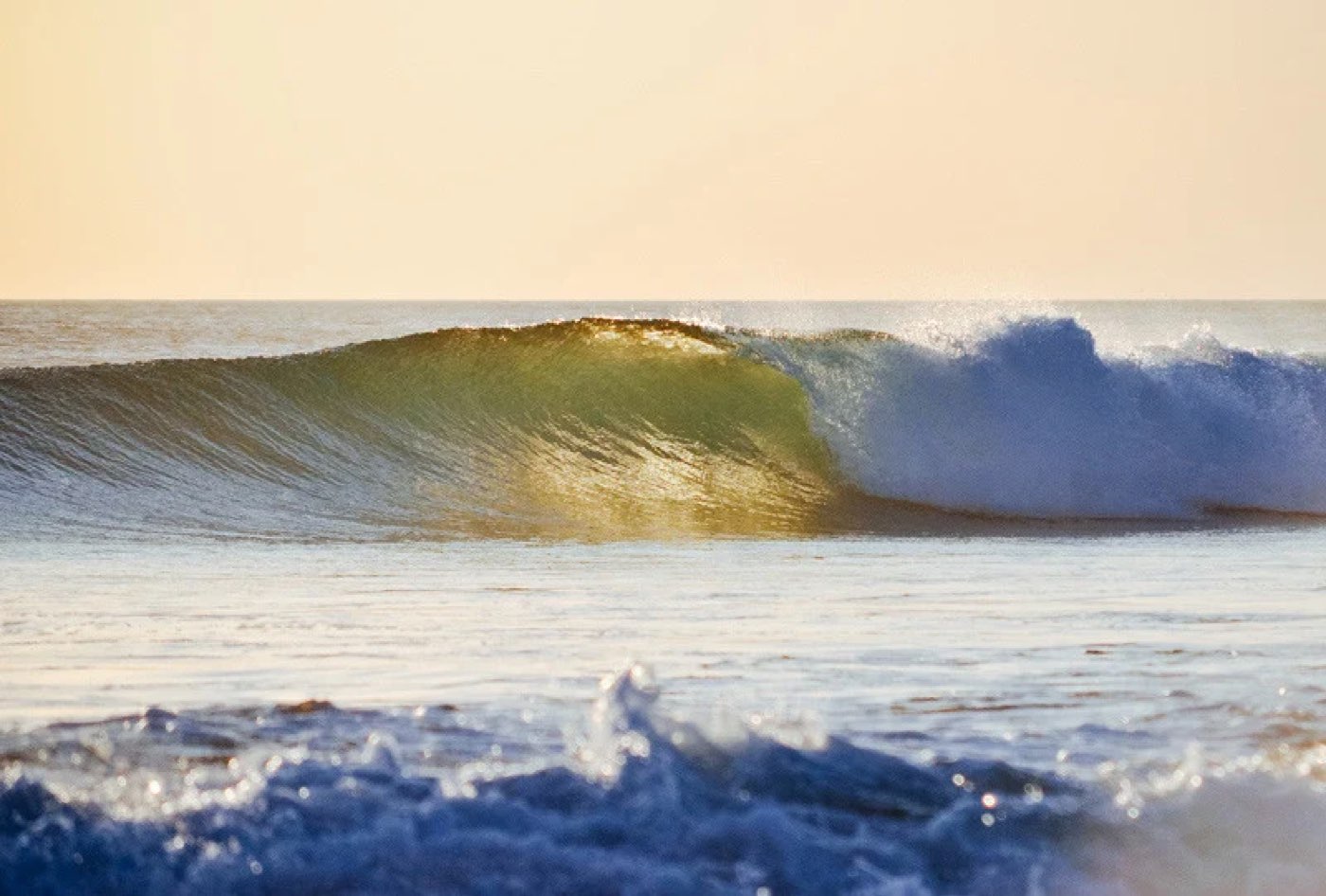
Avellanas is one of Costa Rica's legendary surf beaches and it has kept its character: mangrove boardwalk, boards in the back of the truck, lunch at Lola's. The dirt road in is being paved right now, which makes the daily drive easier and is worth knowing if you are watching values on this stretch.
There are three main setups along the beach, and they cover every level between them.
- Little Hawaii is the right point break at the north end, breaking right in front of the Hacienda Pinilla Beach Club. There is rock underneath and it works on basically all tides. Unless it is really big it is not a strong wave, which is part of why people love it.
- The river mouth goes both ways and works on all tides, though mid tide is my favorite. It is a bit rocky, and there is one big rock head that pops out on the left — know where it is before you paddle out.
- Lola's and Dead Tree, at the south end, is a beach break that is best at high tide. On a smaller day it is perfect for kids.
What makes Avellanas unusual is that you get two completely different ways to live next to the same wave. You can buy in the laid-back beach town, or you can buy inside Hacienda Pinilla — 4,500 gated acres with an 18-hole golf course, a private beach club, an equestrian center, trails, the JW Marriott, and Journey School operating inside the gates. From either one you are in the lineup in about ten minutes, and Tamarindo is about 25 minutes up the road when you want a night out.
So one beach covers the whole household: the south end for kids and anyone learning, the river mouth and Little Hawaii for the more advanced surfers in the family when there is swell.
It fits the surfer who wants amenities, schools and security within the gates, or the family where one person surfs every morning and everyone else wants a beach club and a golf course. More in my Avellanas and Hacienda Pinilla guide.
2. Playa Grande
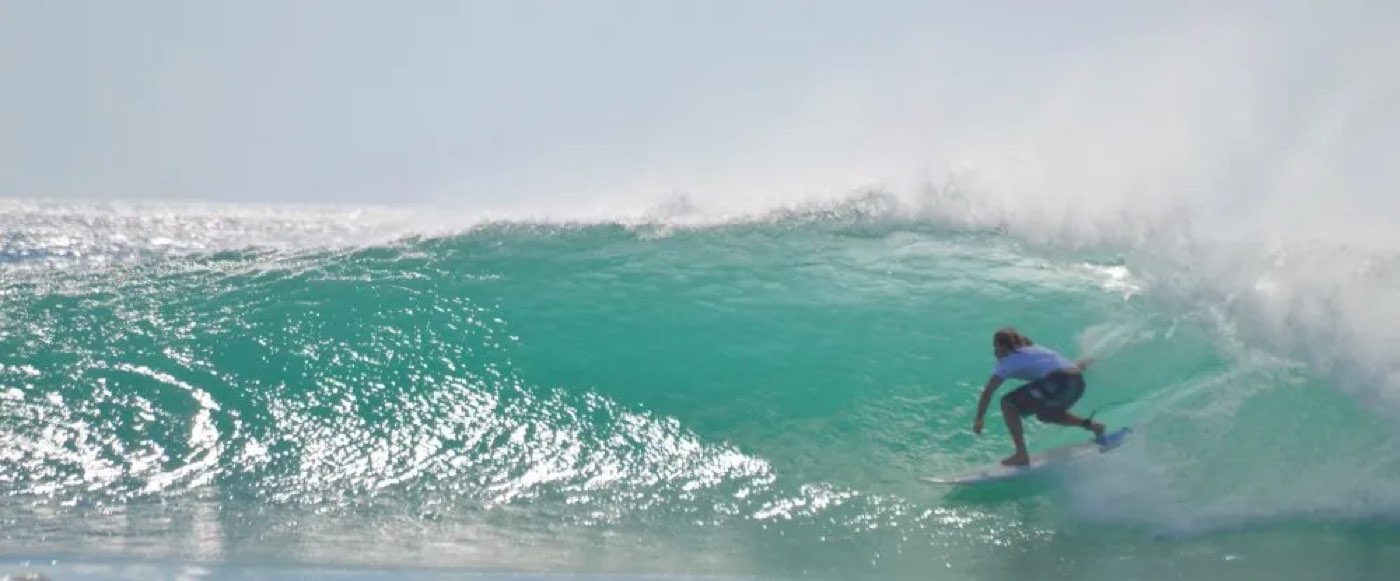
If surfing is the main priority, this would probably be my pick.
Grande is the most reliable wave of the three. It has good waves year round, whatever the size, as long as you go at high tide or close to it — that is the one rule here. Time it right and there is something to surf; the only days it really falls apart are when it gets too big and goes messy.
It is faster, hollower and more powerful than Tamarindo directly across the estuary, and on the right days you get proper A-frames and barrels. The main peak is crowded and there are a lot of locals in the water, but the beach runs for more than a kilometer, so finding your own empty peak is easy. My two picks are far right, close to the rock, and the main peak in front of Taco Star.
The town lives by different rules from its neighbors, and that is the appeal. The beach is part of Las Baulas National Park, one of the world's most important leatherback nesting sites, which means low-density zoning, dark skies at night, and a permanent ceiling on how big Playa Grande can ever get. The wave you buy for will still be the wave in twenty years, and so will the emptiness. There is a small core of good restaurants, a market, surf shops and boutique hotels, and Tamarindo's full amenities are a two-minute boat ride across the estuary.
It fits the surfer who wants the best everyday wave in the Tamarindo area, and the buyer who likes knowing the town cannot be built out around them. More in my Playa Grande guide, and if you are weighing it against town life, Tamarindo vs Playa Grande is the comparison I send most often.
3. Marbella
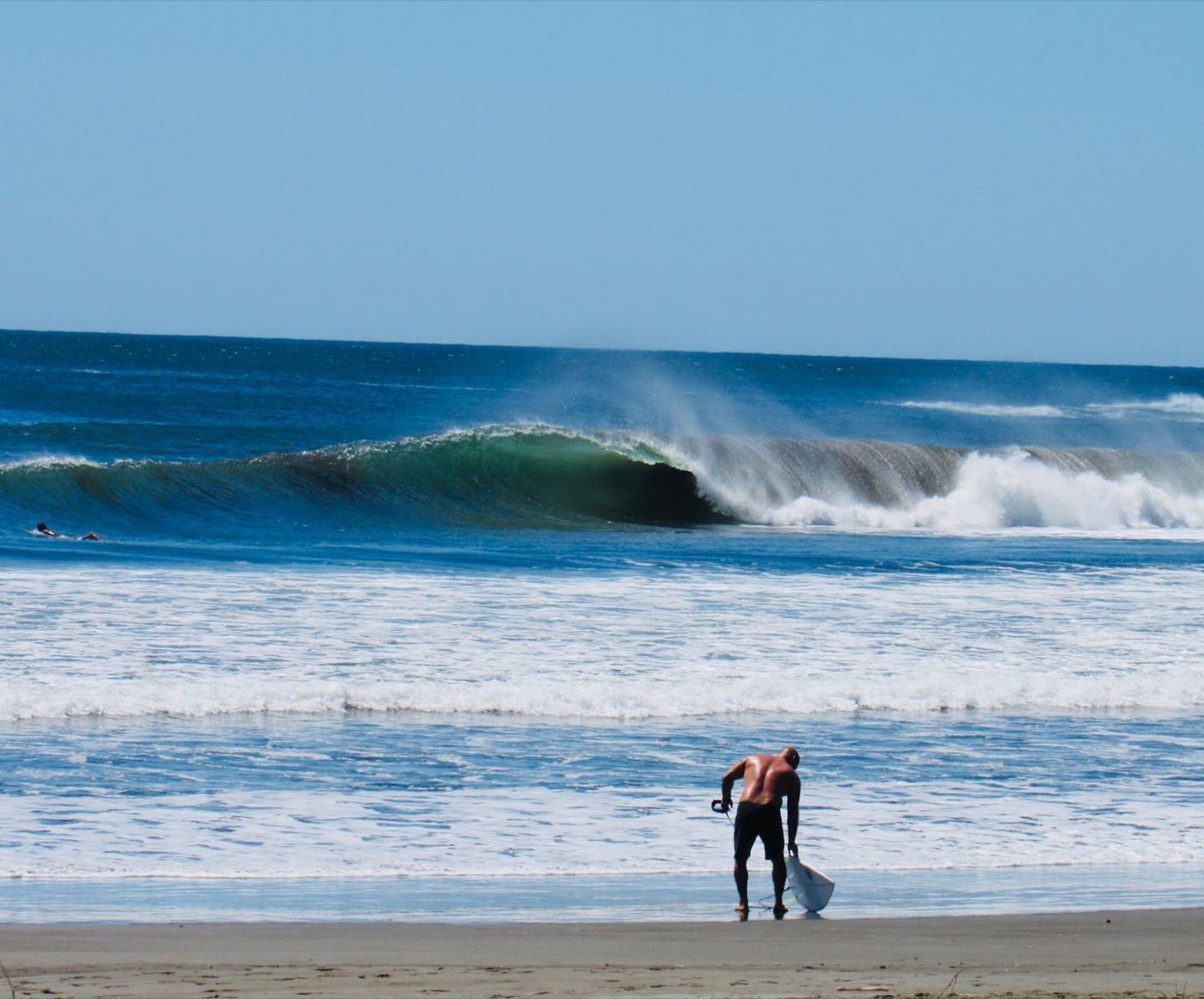
Marbella is the stretch most people drive past, between Avellanas and Nosara. It is the least consistent of the three, and that is the whole trade: you wait, and when it comes together you get the barrel of a lifetime. A busy day is a handful of people in the water.
Tides split the coast here — the north side is best from low to mid tide, the south side from mid to high — so there is usually somewhere to go when there is swell running. South toward San Juanillo and north toward Junquillal, the coves and points keep coming, and this is still the largest stretch of underexplored surf coast left in Guanacaste.
It is also where the value is. Land here sits at prices the bigger towns have not seen in fifteen years. The road was just fixed, so getting in and out is no longer the ordeal it used to be: about an hour north to Tamarindo, about an hour south to Nosara. The village has the basics you need to live here, though it is smaller than the other two towns, and Starlink, fiber and solar cover the rest.
It fits the surfer who wants perfect waves whenever swell shows up, likes a quieter and more self-sufficient life, and wants more coastline and more house for the money. More in my Marbella guide.
If you surf and the rest of the family does not
This is most of my surf buyers, and it is worth planning for. The person who is in the water at six in the morning is easy to please. Everyone else needs the rest of the day to work.
- Avellanas and Hacienda Pinilla handle this best. Golf, a beach club, tennis, trails, an equestrian center and a school inside the gates mean nobody is waiting around for the surfer to come in.
- Playa Grande is the nature-first version: turtle season on the same sand, dark skies, empty beach walks, and Tamarindo minutes away by boat when you want restaurants and shops.
- Marbella suits the household that genuinely wants the quiet, with Nosara's yoga, restaurants and schools about an hour south when you want more.
If school runs are part of the picture, my family guide covers which schools each of these areas feeds into, and if golf is also in the mix, the golf communities guide covers the overlap — Hacienda Pinilla is on both lists for a reason.
Practical things that make a surf house work
- Time the walk or drive from the property to the peak you would actually surf, at the hour you would actually go.
- Learn the tide each spot wants. Grande needs high tide, Avellanas works through most of them, and Marbella splits north and south. It changes what time of day you actually surf.
- Check the access road in green season, especially further out. It decides how often you go.
- Look at water, power and internet early on the quieter stretches, where solar, wells and Starlink are normal rather than unusual.
- If you plan to rent it out, a surf address rents itself — the closer and more walkable it is to the beach, the easier the calendar fills.
How I would choose between the three
Surfing every single day? Playa Grande, because it has something on it year round at high tide. Marbella if you would rather wait for perfect and have it to yourself.
Family coming with you? Avellanas and Hacienda Pinilla, where the amenities and the school do the heavy lifting.
Want the most coastline for your money? Marbella, while it is still early there.
Ready to look?
Tell me what you ride, how often you want to be in the water, and who is coming with you, and I will tell you which of these three I would put you in and what is available right now. Message me on WhatsApp — I answer every message myself, in English, Spanish or Portuguese — or browse every current listing.
Interested in learning more?
Get in Touch →